Origins - History of Lagos
"It was founded by King Brigo, who named it Lacóbriga, meaning lake, 1897 years before Christ; others say it took its name from some lakes that once existed here, which is more likely."
Father Carvalho da Costa Lacóbriga – Zawaia – Lagos
Times change...
The origin of Lagos appears associated with small watercourses, with springs in the Espinhaço de Cão mountain range, which formed lagoons delimited by sand dunes.
These were anchorages rich in fish and shellfish. It quickly became a place of appeal to various peoples who turned it into an important trading post. Phoenicians, Greeks, and Carthaginians passed through here. Romans, Moors, and Portuguese fought for it. Lacóbriga is the Roman name for the settlement.
Later, the Arabs called it Zawiya (Zawaia). In 1249, it was definitively integrated into Portuguese territory by King Afonso III. However, it was the Arab civilization that most influenced the lives of future peoples. Even today, linguistic, cultural, and architectural traces are visible. Lagos, City of Discoveries
The Discoveries began here...
From here, Prince Henry the Navigator set sail in search of new worlds. Here, Gil Eanes, the hero of Cape Bojador, was born. Here arrived the first riches from Africa. Gold, silver, ivory... These were times of pomp and glory.
In 1573, Lagos was elevated to city status by order of King Sebastian and became the seat of the Bishopric and the capital of the entire Kingdom of the Algarve. But the golden years suddenly came to an end. The earthquake of 1755 ruthlessly destroyed the city, and the years that followed were marked by misery and decay. Slowly it recovered and, supported by its most precious asset – the sea – it emerged from the ruins.
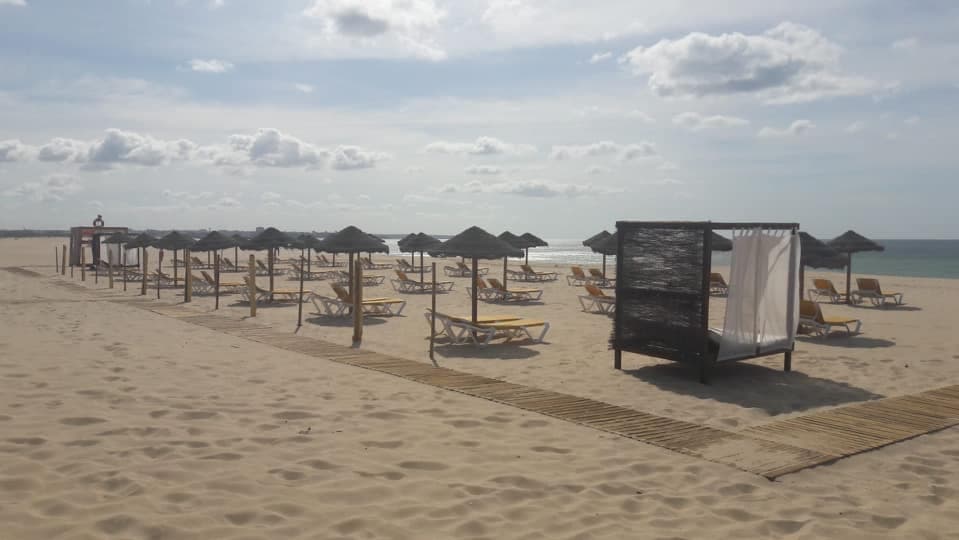
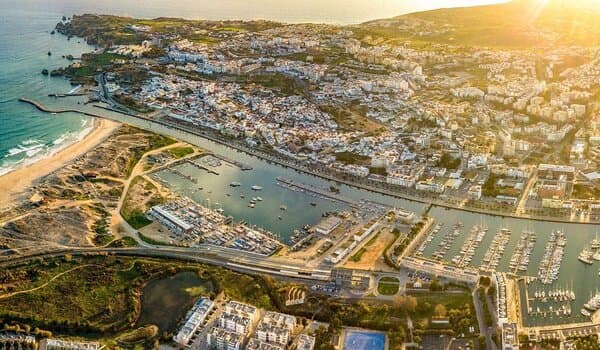
Today, Lagos is one of the Algarve's most sought-after cities, known for its golden sandy beaches and crystal-clear waters, the scenic beauty of its bay, and its architectural legacy. A brief description of the city:
Looking at the sea...
"It lay exposed on the seashore, beautiful and insecure, like a tempting fruit at the mercy of passersby."
Prof. José Hermano Saraiva
Enclosed within its walls, Lagos is one of the most welcoming havens on the Portuguese coast. The walls (a national monument), built during the reigns of King Manuel I, King John II, and King Philip I, completely surrounded the city to defend it from piracy and hostile fleets.
Its narrow streets reveal a past made of mystery and discoveries adorned with gold and ivory. Almost all lead to pleasant squares and gardens, some with terraces that allow you to enjoy the mystical atmosphere that surrounds the city.
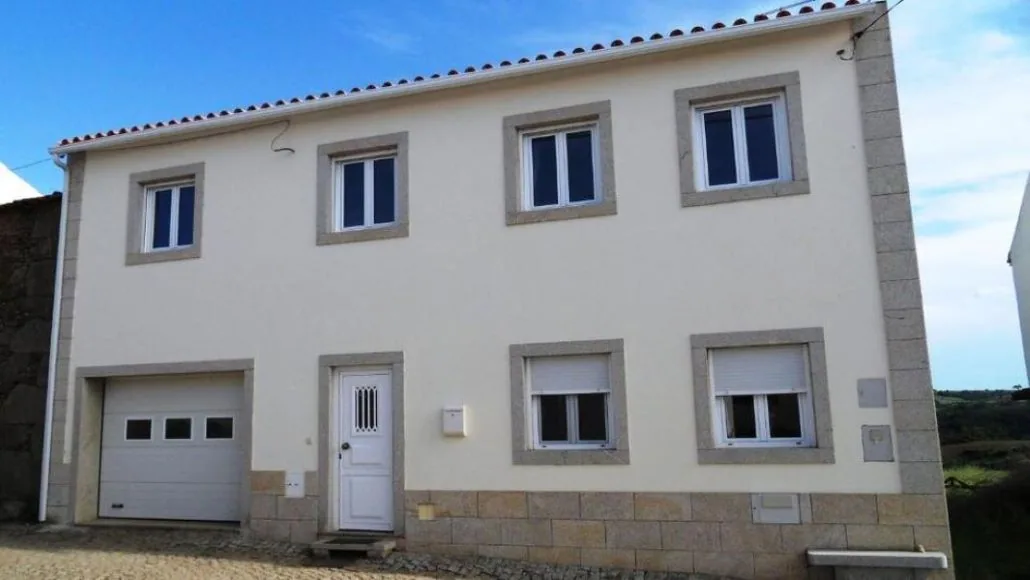
The whiteness of the houses does not go unnoticed. It reveals the constant search for cooler environments. Algarve houses, heavily influenced by techniques brought from Africa, commonly feature colorful bars framing doors and windows. Chimneys, of varying configurations and colors, were one of the most popular forms of craftsmanship. Their forms sometimes reveal Arab influences, taking the form of minarets, and sometimes religious ones, reminiscent of church bell towers. **** The municipality of Lagos is located in the southwest of mainland Portugal, in the so-called Barlavento region, being one of the 16 municipalities of the Algarve region. It is also part of the renowned Terras do Infante.
The municipality has an area of 212.99 km² and 31,049 inhabitants (2011 Census), subdivided into 4 parishes: São Gonçalo de Lagos, Odiáxere, Luz, and the Union of Parishes of Bensafrim and Barão de São João.
Like several Portuguese coastal towns, Lagos has always had a close proximity to the sea and, since ancient times, fishing has been the most important activity and one of the only sources of income for the population (this activity persists, although without the importance of yesteryear).
From here, Prince Henry the Navigator sent caravels in search of new worlds. Gil Eanes, the hero of Cape Bojador, was born here.
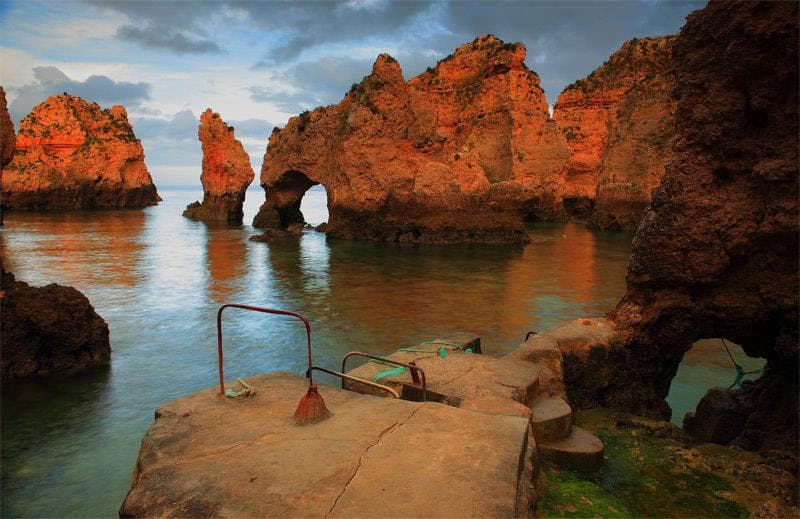
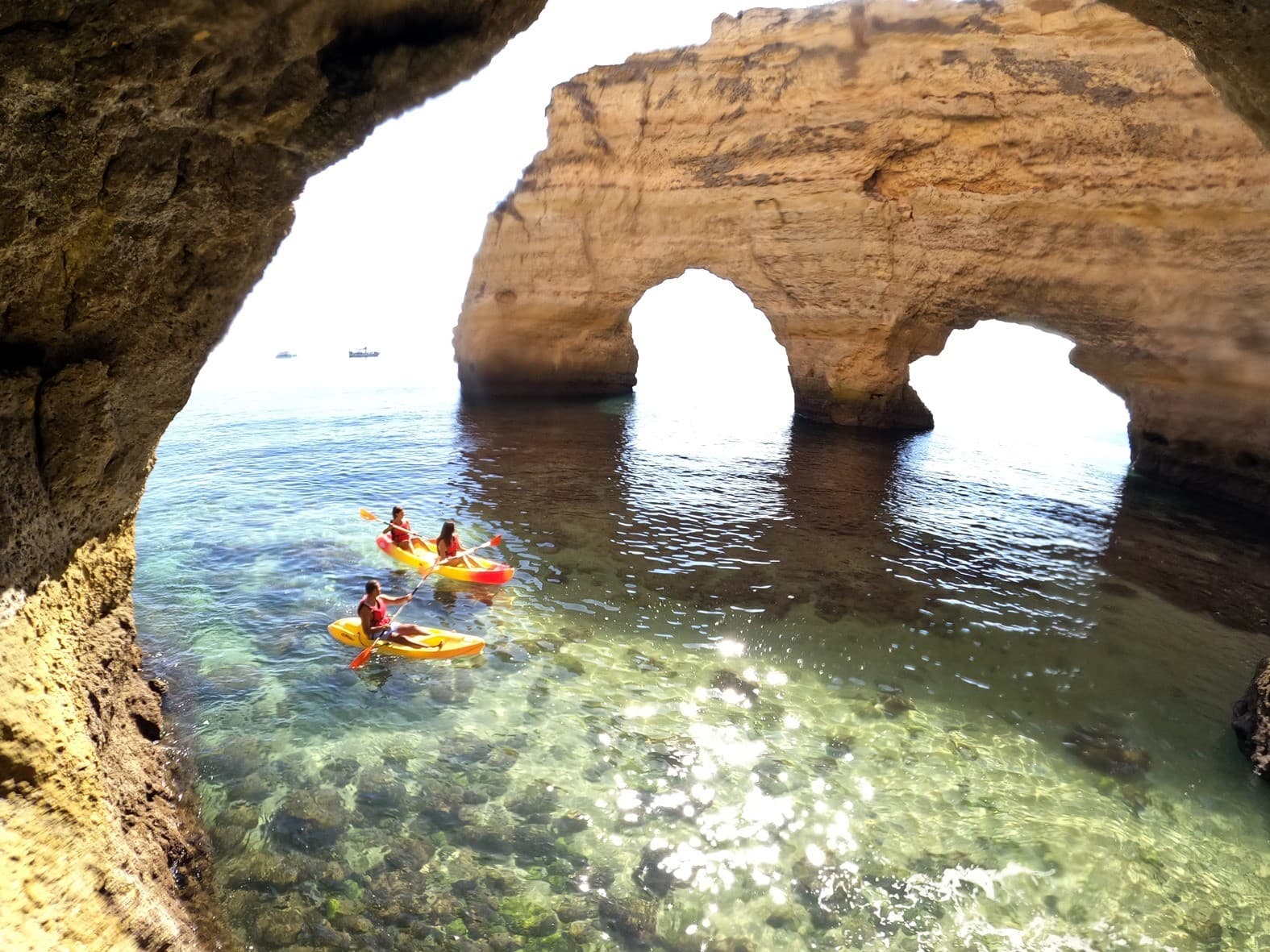
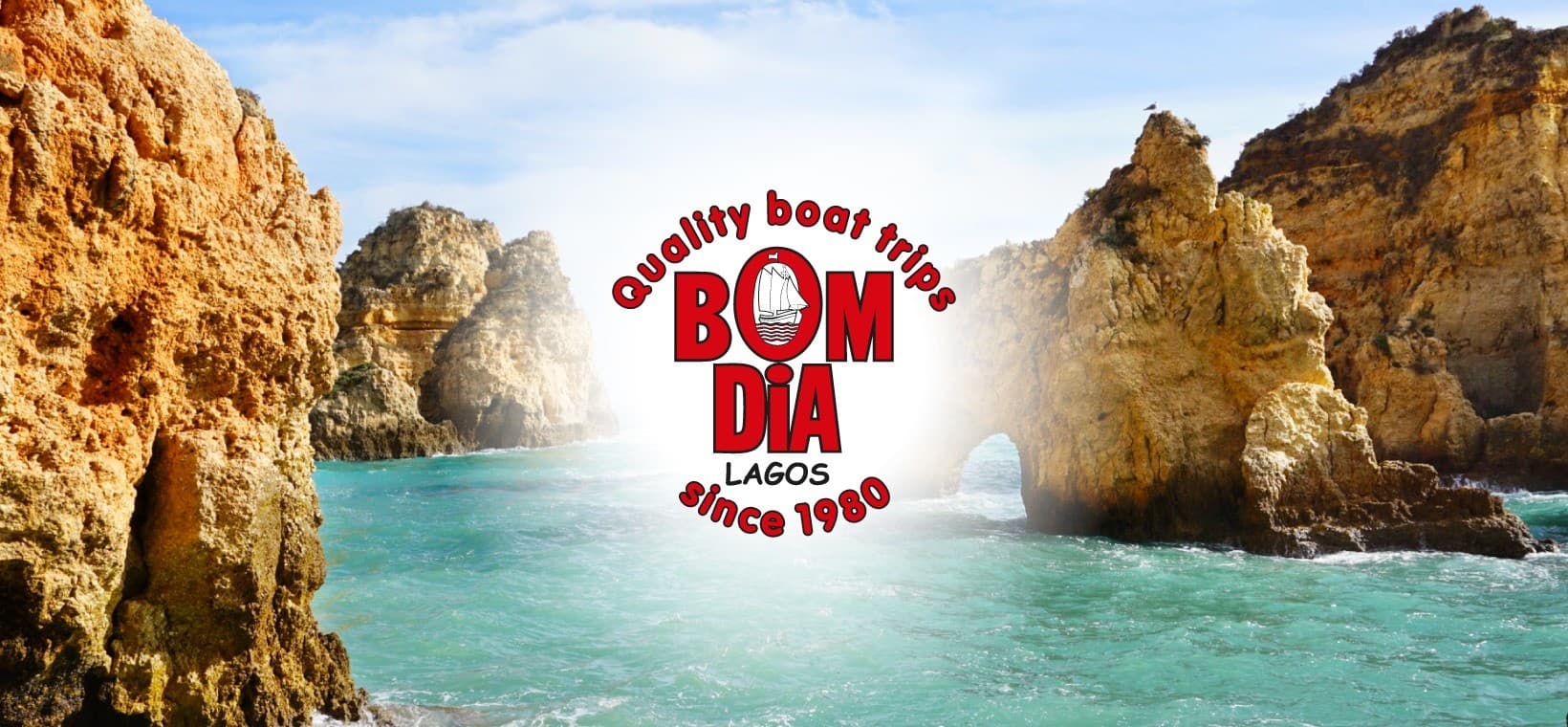
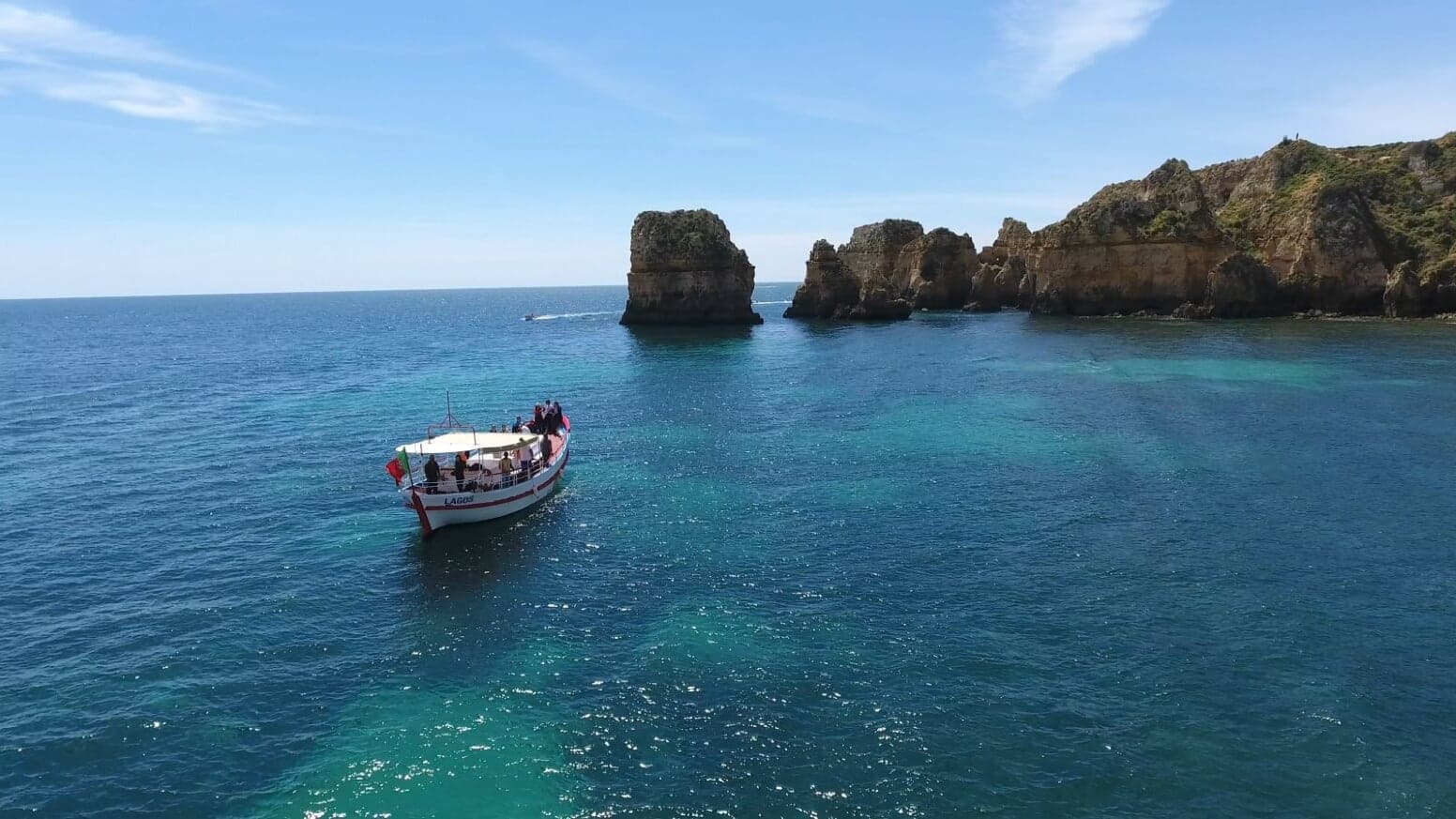
From the 1960s onwards, the main economic activity became tourism, encouraged by the beaches and an attractive climate, a unique coastline (called Costa D'Oiro due to the almost golden color of the rocks), gastronomy, exceptional historical heritage and a very dynamic nightlife.
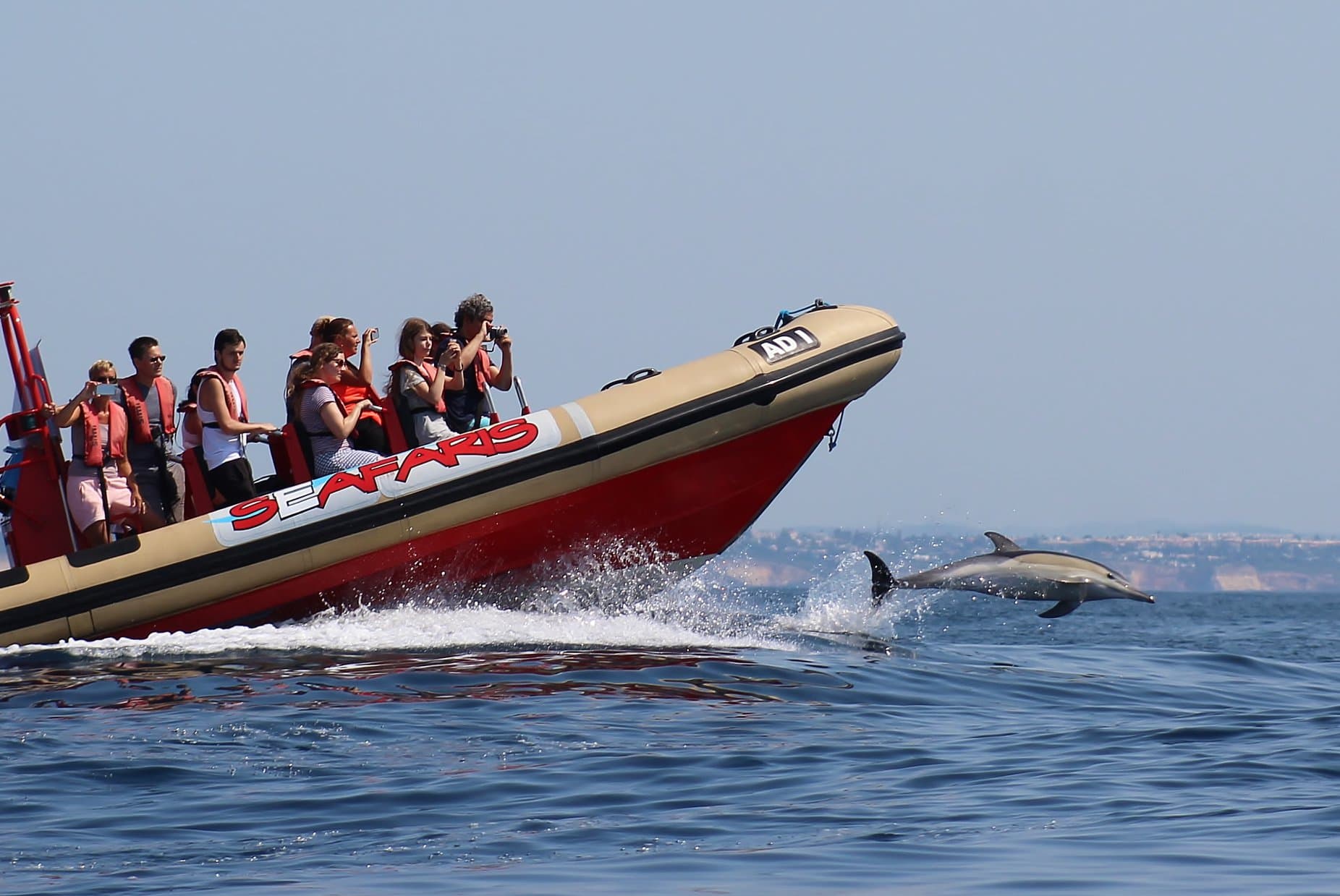
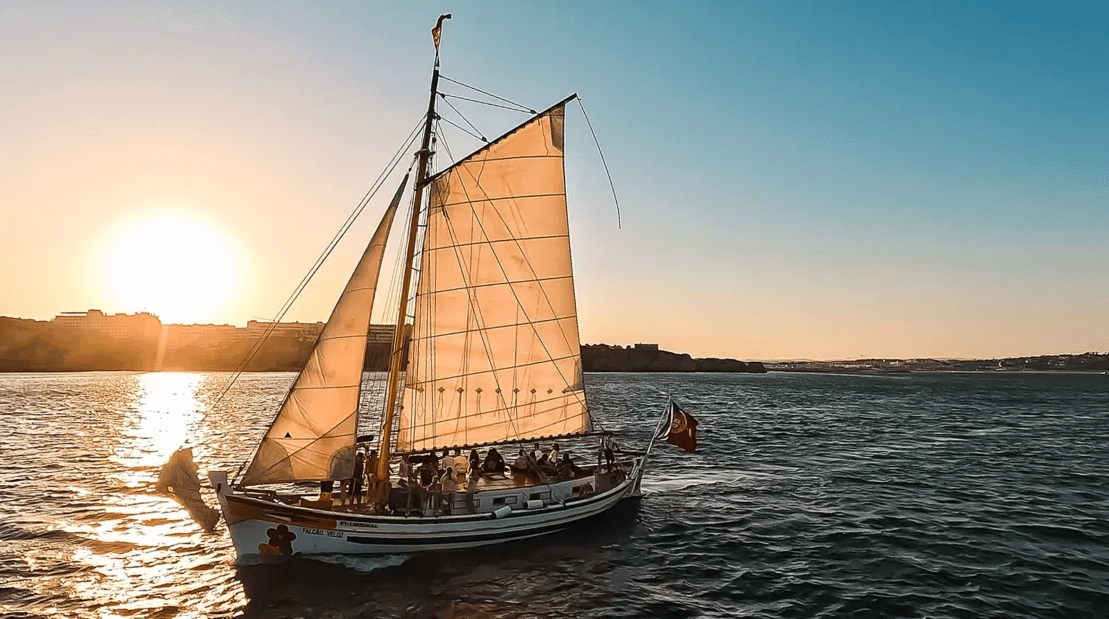
The sea is a strategic asset for the municipality and city of Lagos. In Lagos, the historical weight of the Discoveries is a very strong legacy. The history of Lagos has always been intimately linked to the sea and maritime activities, as a meeting point for international routes. In this sense, the sea and nautical activities are seen as potential to be projected at regional, national, and international levels, and to be considered in the municipality's development strategy.
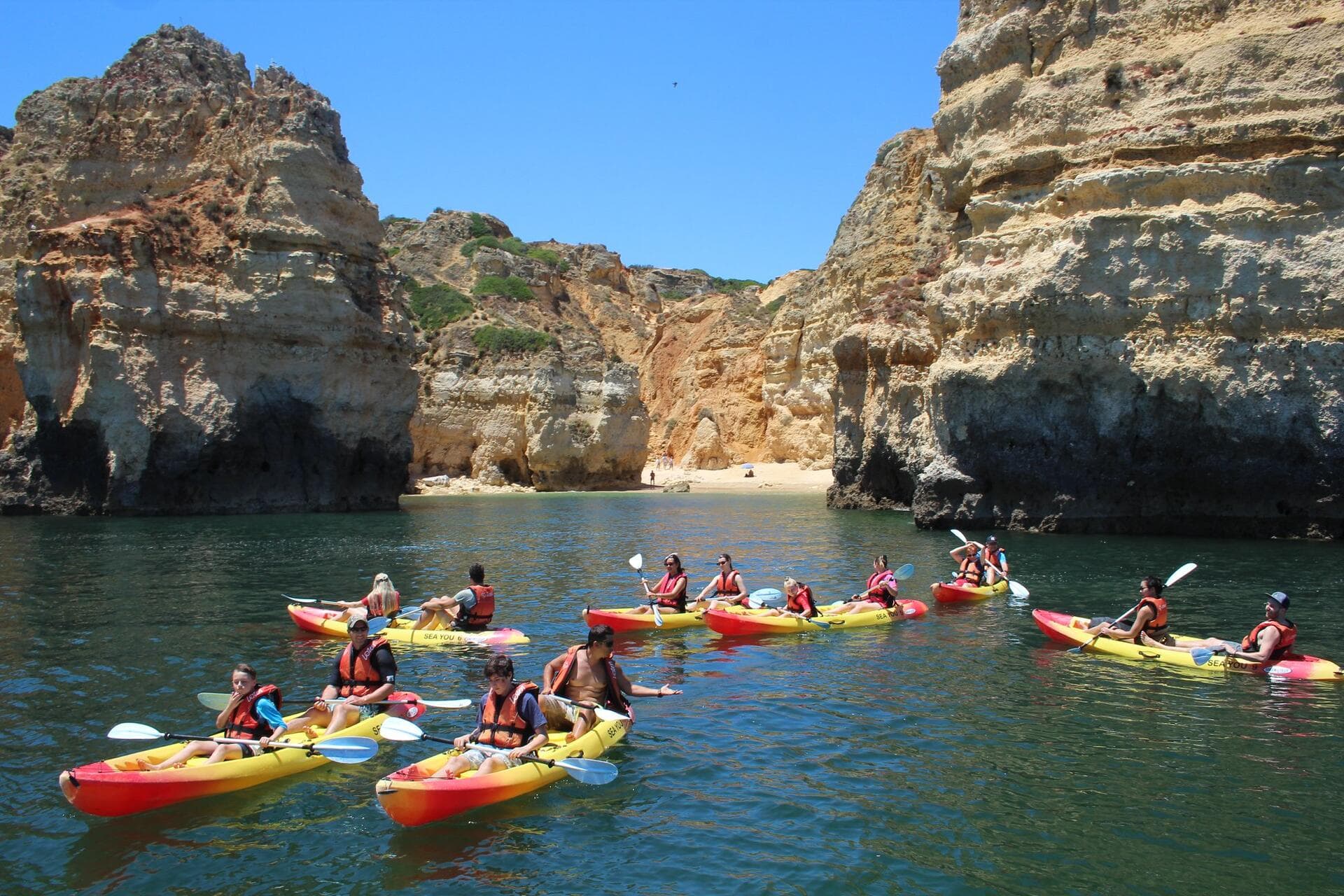
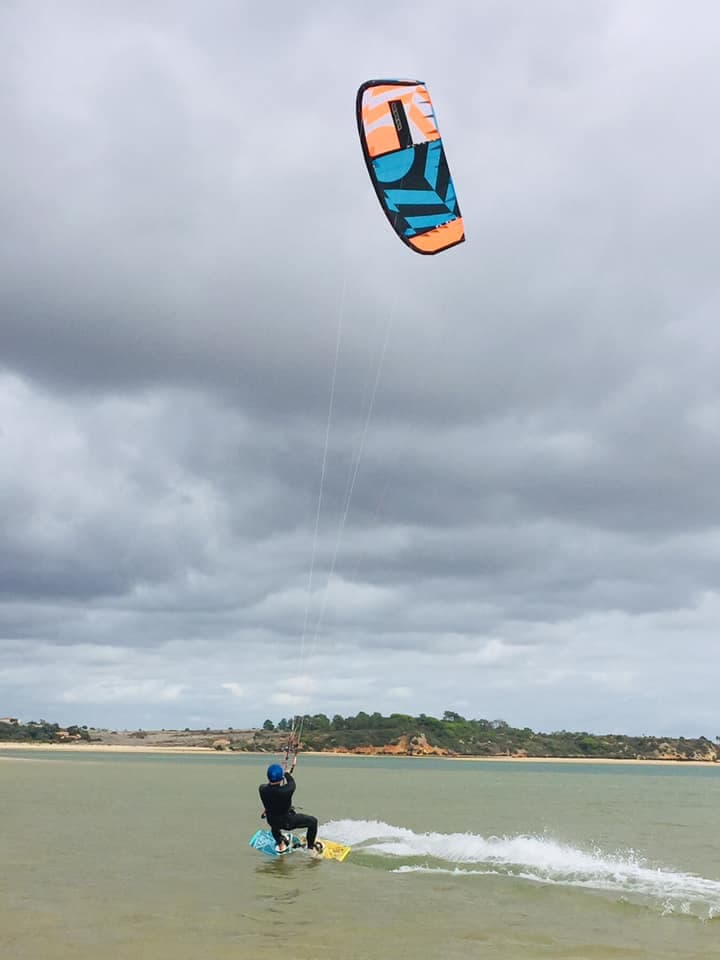
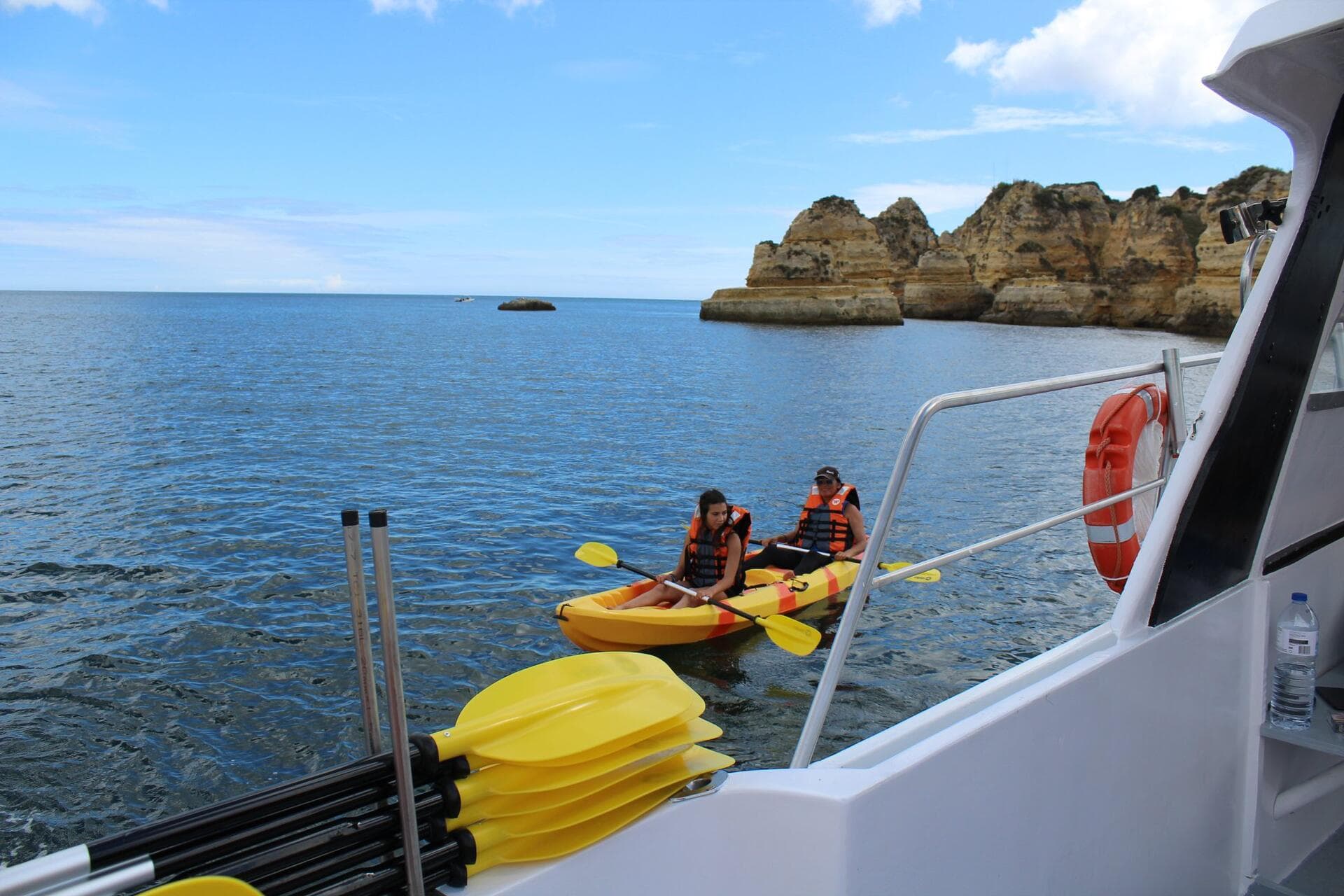
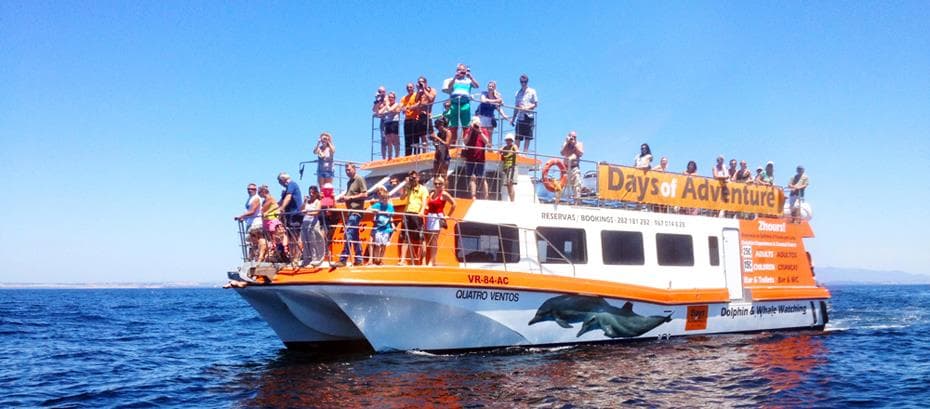
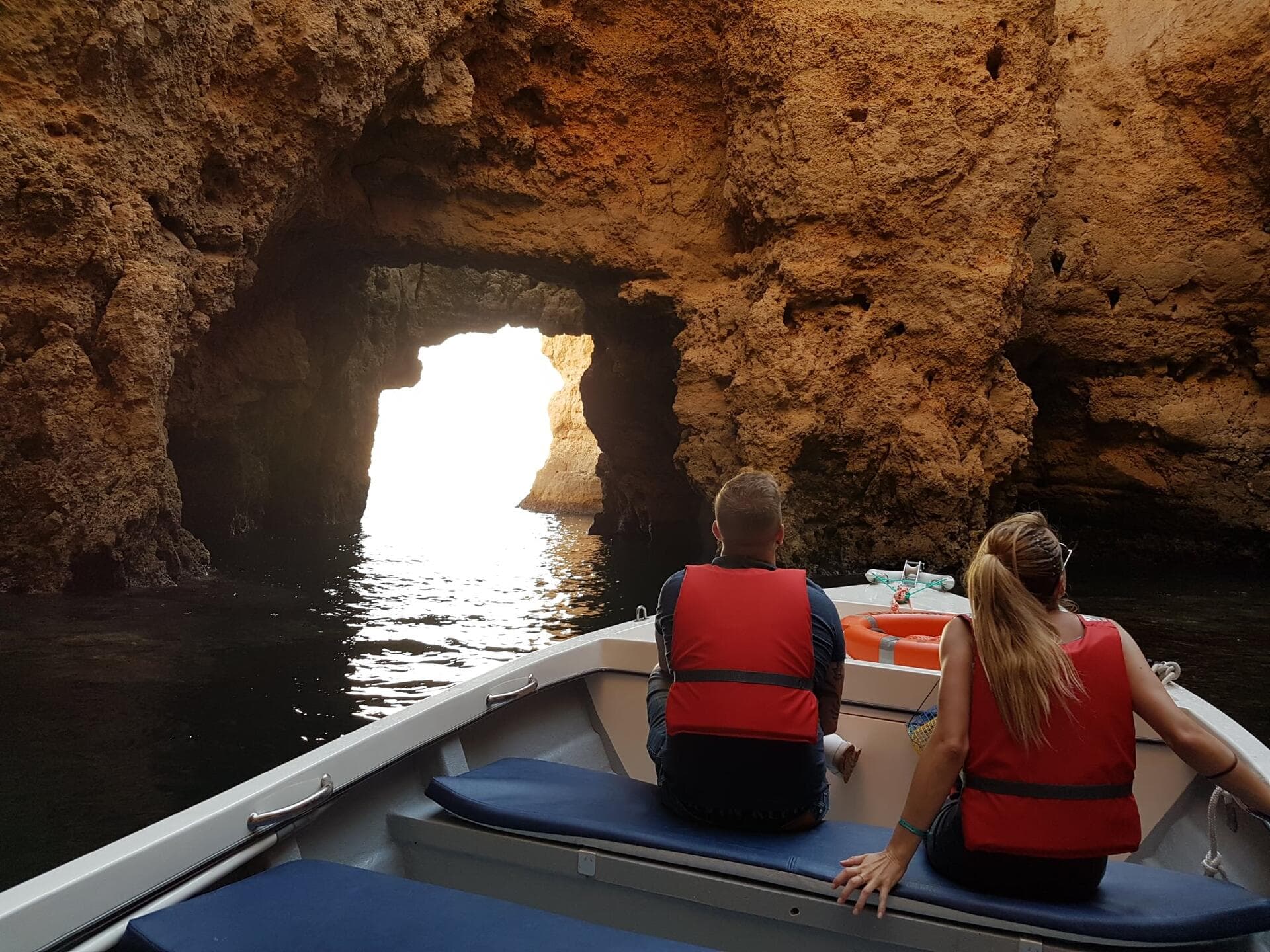
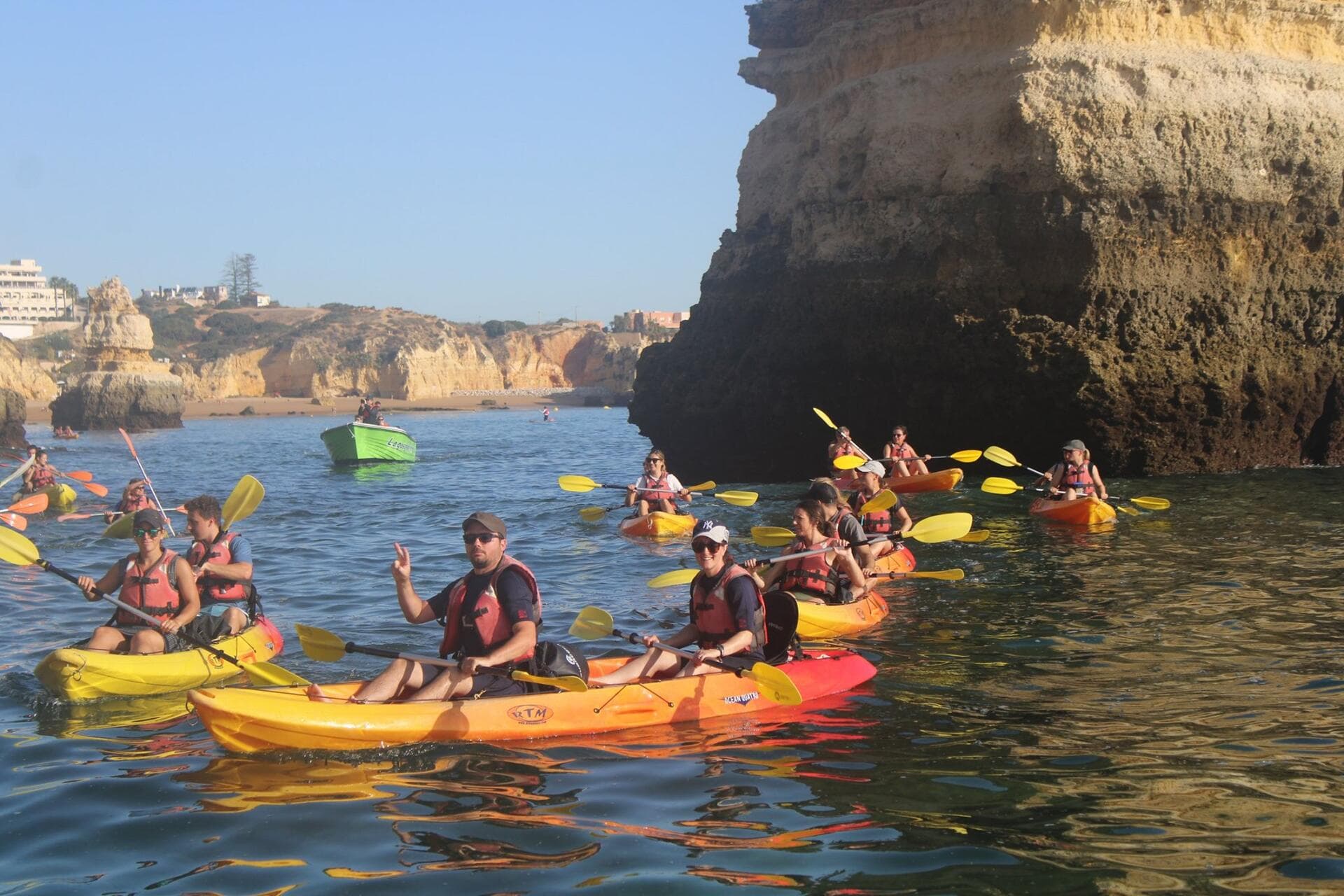
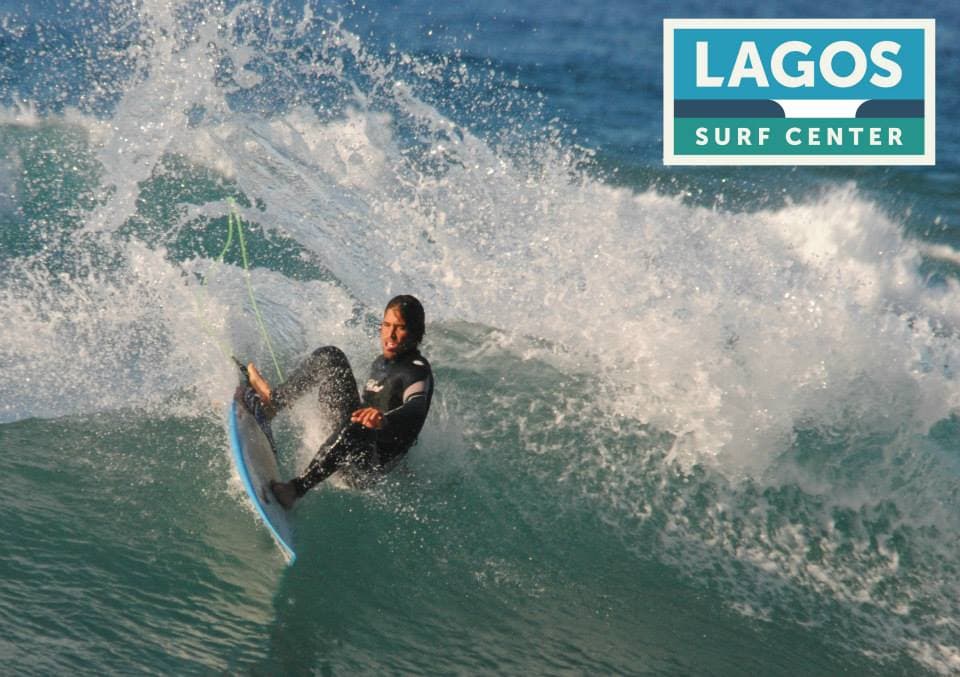
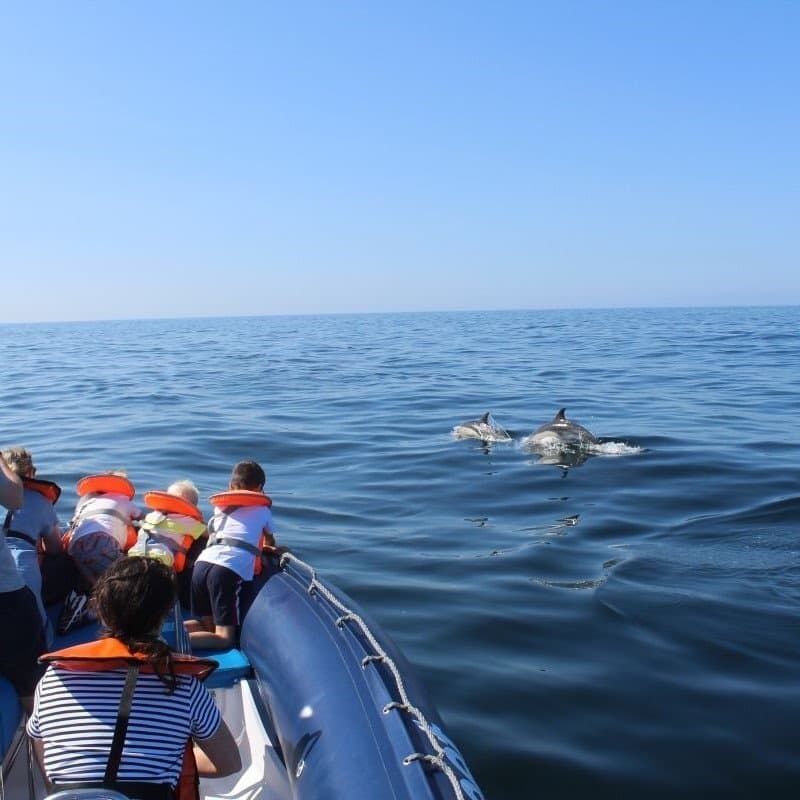
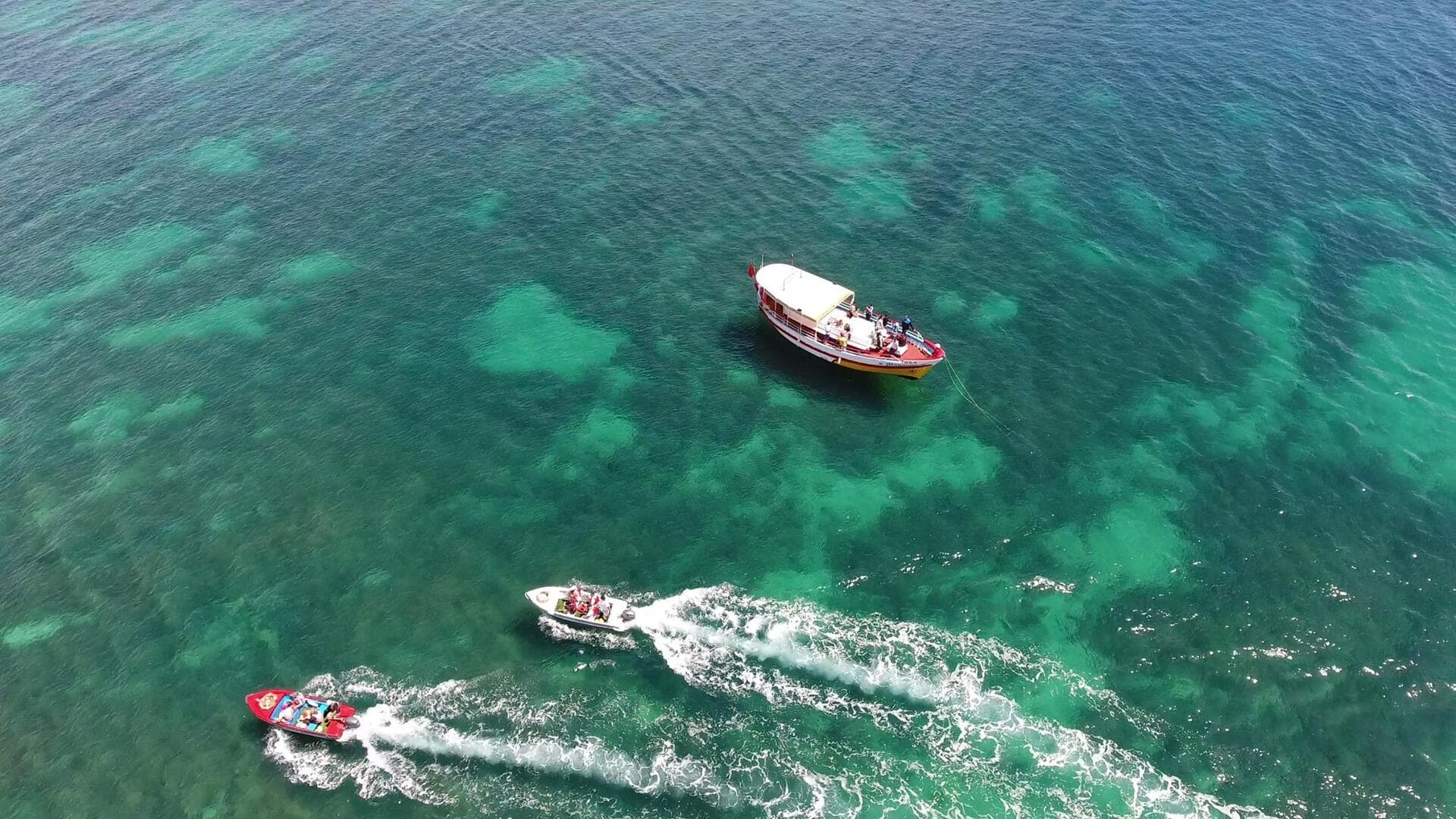
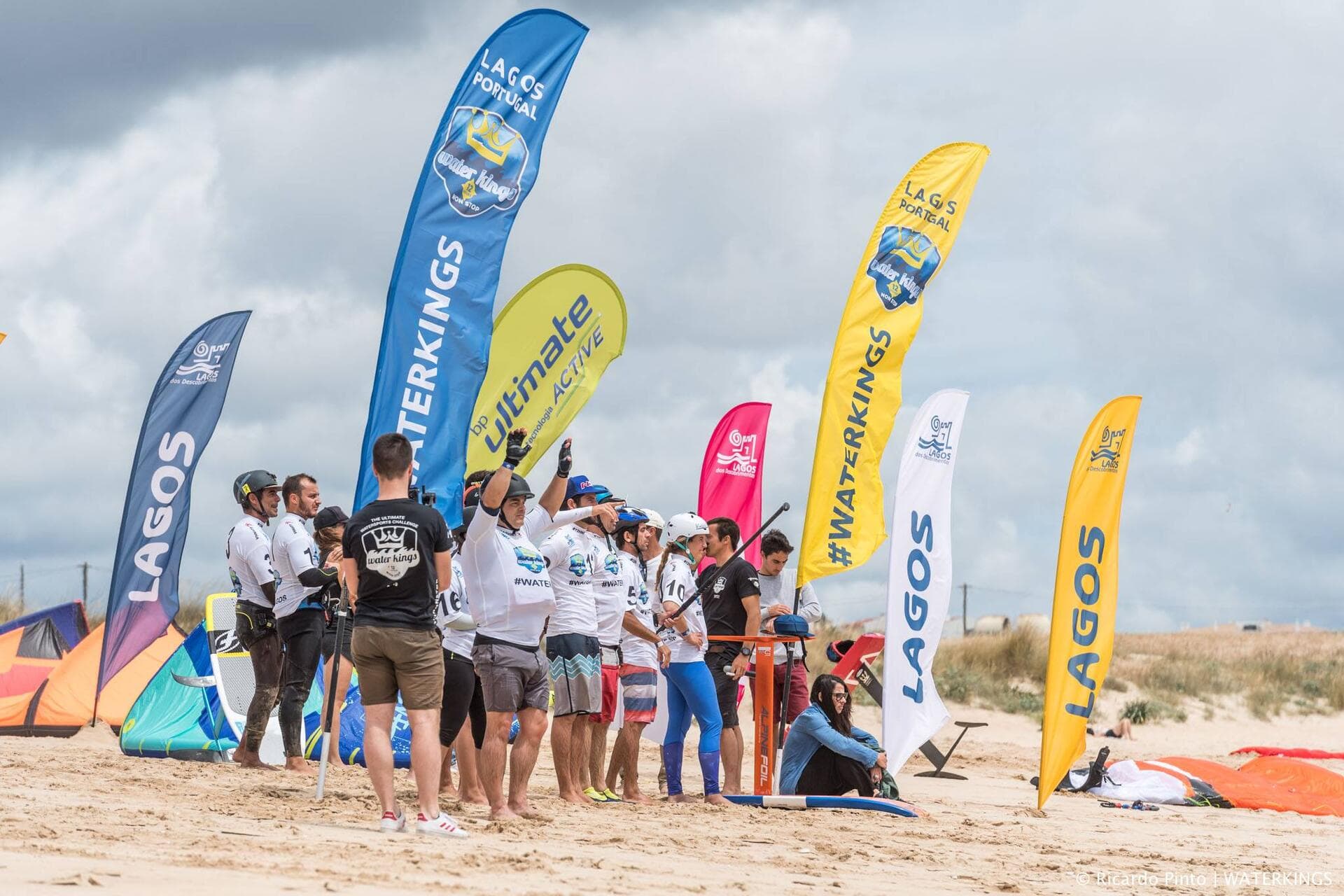
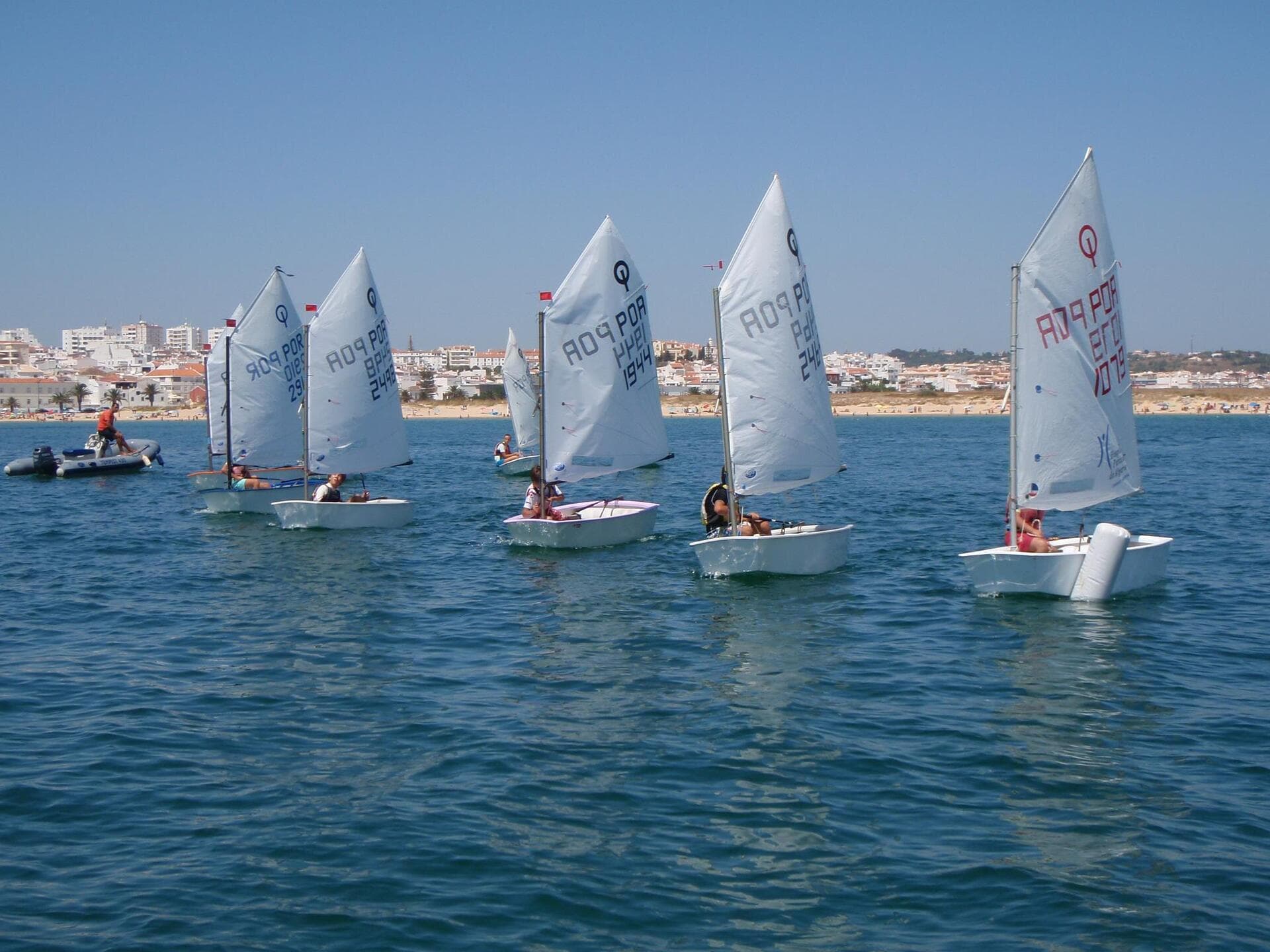
Lagos offers favorable conditions for the development of nautical and sports tourism, especially in the area of training camps and major events, allowing for the association of sport and tourism and increasing sports and recreational activities linked to the sea.
The mild temperatures and the setting of Lagos Bay are natural characteristics conducive to the practice of sports and leisure activities in an aquatic environment, along more than 17 km of coastline. Natural spaces in the interior, such as the Barão de São João National Forest and the Bravura Dam, represent a potential to be explored in the context of sports and leisure activities.
Thus, the attractiveness of the Lagos coastline to the population and visitors becomes evident, as well as its potential as a factor in affirming the municipality of Lagos in the regional, national, and international context.
Value Proposition of the Nautical Station
The Lagos Nautical Station offers the population, visitors, tourists, and recreational boating enthusiasts a set of organized experiences and proposals that function as a network. The optimization of existing natural resources, infrastructure, and equipment in the territory, with the integration of new economic agents, including a rich offering of nautical activities, accommodation, restaurants, and other services/activities relevant to attracting tourists, are the basis of the Lagos Nautical Station.
Expected Impacts of Creating the Nautical Station
All entities/organizations are welcome to ENL. All their knowledge and experience are fundamental in building an innovative and competitive tourism destination. If you wish to join this project, which incurs no cost to the partner entities, you should express your interest by filling out the form at this link: Lagos Nautical Station - Membership Form
Visitor Reception Centers:
More information
Estação Náutica de Lagos holds the official recognition awarded by the Portuguese Nautical Stations Network. View the certificate and accreditation details.
View certificate
Explore all the activities available at this nautical station.
Discover the best local and international flavours, from traditional cuisine to modern and refined options.
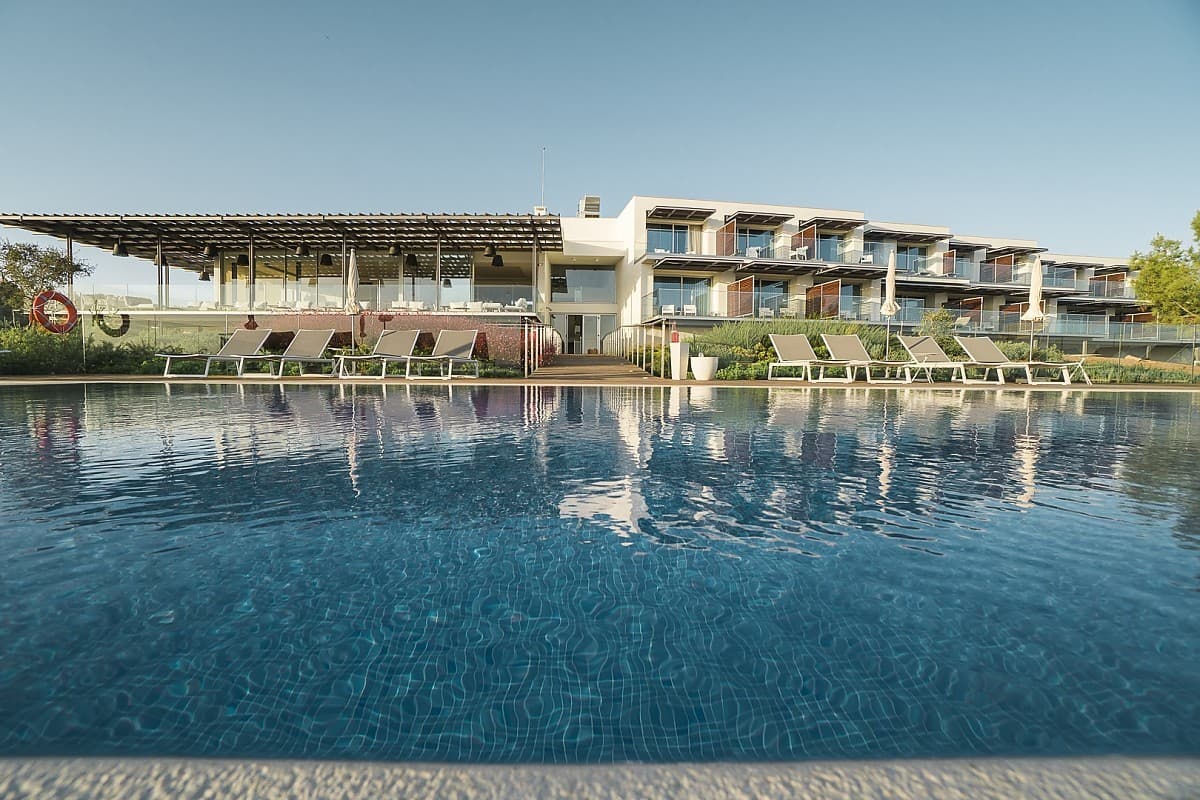
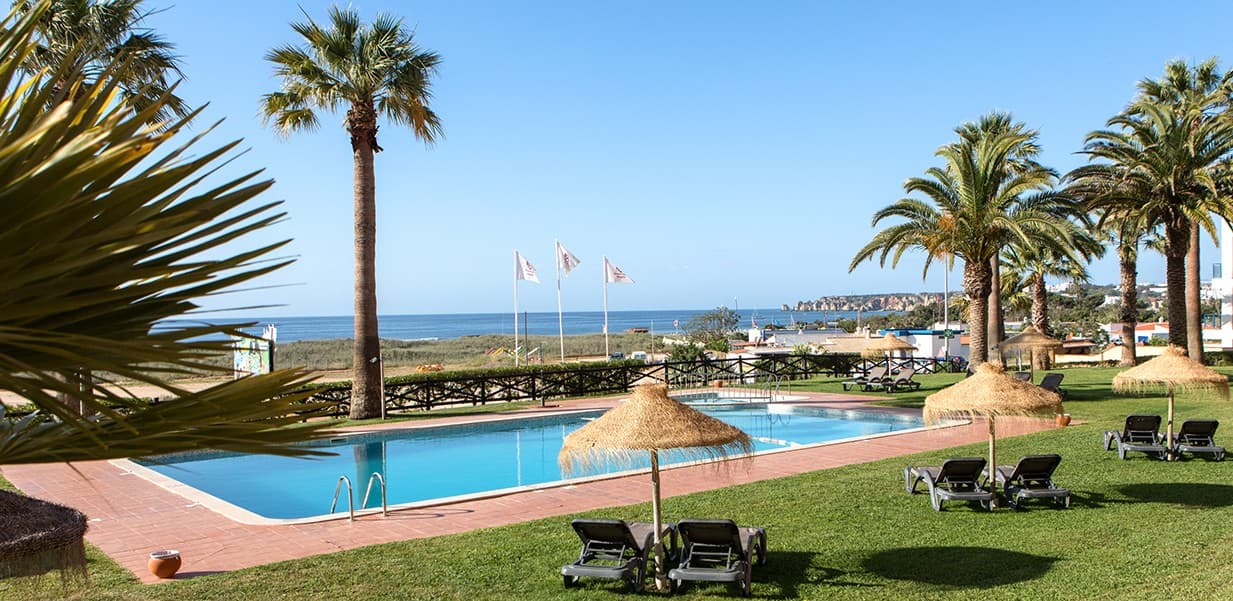
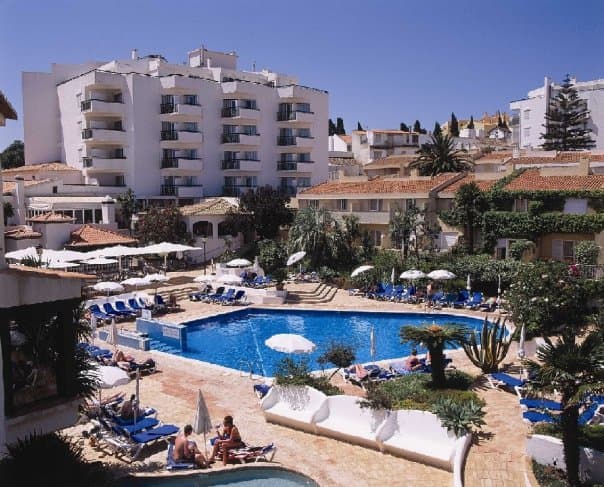
Find the perfect accommodation for a rest, including hotels, guest houses, and rural tourism, with all the comfort you are looking for.


Fórum Oceano is the managing entity of the Portuguese Sea Cluster, certified and recognised by the Ministry of Economy and Sea, Ministry of National Defence, and Ministry of Planning and Infrastructure.
UPTEC Mar, sala C2, Av. da Liberdade S/N 4450-718 Leça da Palmeira – Portugal
Copyright @ 2026 Nautical Stations of Portugal. All rights reserved. Developed By Yacooba Labs.